Our Story
GUI ZHOU, CHINA
Where It All Began: From Mountains to Miao’s Kitchen
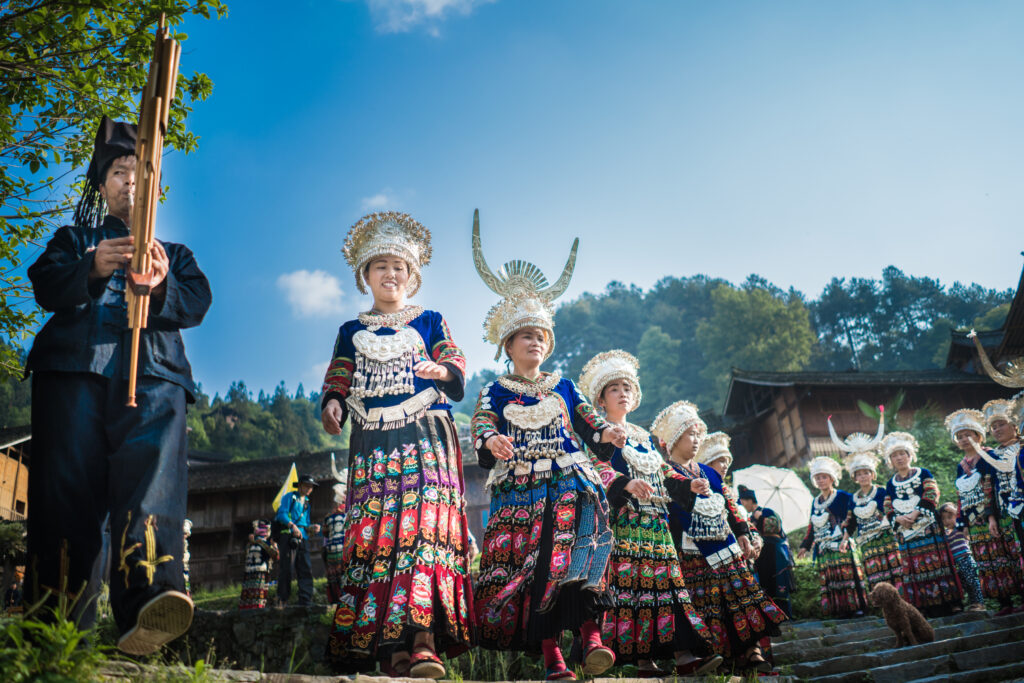
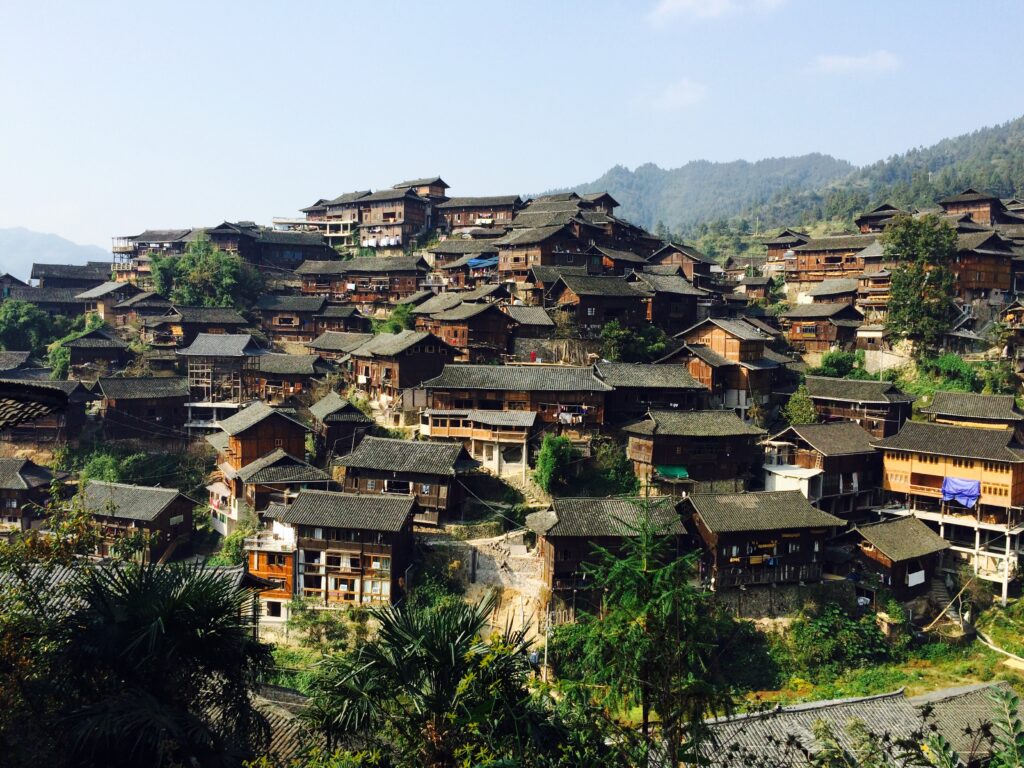
My family comes from Kaili, a city in Guizhou known as the cultural heartland of the Miao people in China.
The Miao, one of China’s largest ethnic minorities, are known for their lively festivals, detailed silver accessories, colorful embroidery, and a culture deeply tied to nature and ancestral traditions.
Kaili, today has become a bustling place— home to large shopping malls, food from every corner of China, and buzzing nightlife streets .But for me, Kaili is still that quiet, unpolished town filled with warmth from beef rice noodles and soul from cultural heritage – the streets were lined with little shops selling handmade silver jewelry and batik cloth. You could always smell something delicious in the air—someone simmering beef bones or frying spices in a nearby kitchen. When I was a child, after school I’d stop by the vendors outside the gate for a bowl of rice tofu or a hot yang yu baba, a crispy Guizhou-style potato cake that tastes like home.
This place—these flavors—are where it all began.
‘ALEI’ – A Name, A Mission.
“Alei” is a word from Miao culture that reflects resilience and dedication—the quiet strength found in generations of Miao women. The name was inspired by friends who once asked, “Why not name it after what we call you?” In Miao, that nickname becomes Alei. I asked why, they smiled and said, “Because that’s who you are.”
”MY FIRST JOB IN INTERNATIONAL TRADE, SHOWED ME HOW FOOD COULD BRIDGE CULTURES, SPARK CONNECTIONS, AND MEAN MORE THAN JUST BUSINESS. ”

My first job in international trade meant meeting people from all over the world—especially clients from the Middle East and Canada. When clients came to China for business meetings, I often took them to local Chinese restaurants to let them experience authentic regional cuisine. That was when I saw how food could break down barriers.
In Chinese business culture, meals are often formal, rooted in tradition. But with international clients, those same meals became something else—a shared space for curiosity, discovery, and dialogue.
At the table, conversations flowed easily—from teapots and spices to the history behind local dishes.What began as business dinners often turned into friendships across cultures. I didn’t realize it then, but in every moment I was building something much deeper than doing business: I was learning how food could carry identity, memory, and meaning across cultures.
”YEARS LATER, I MOVED TO CANADA.”
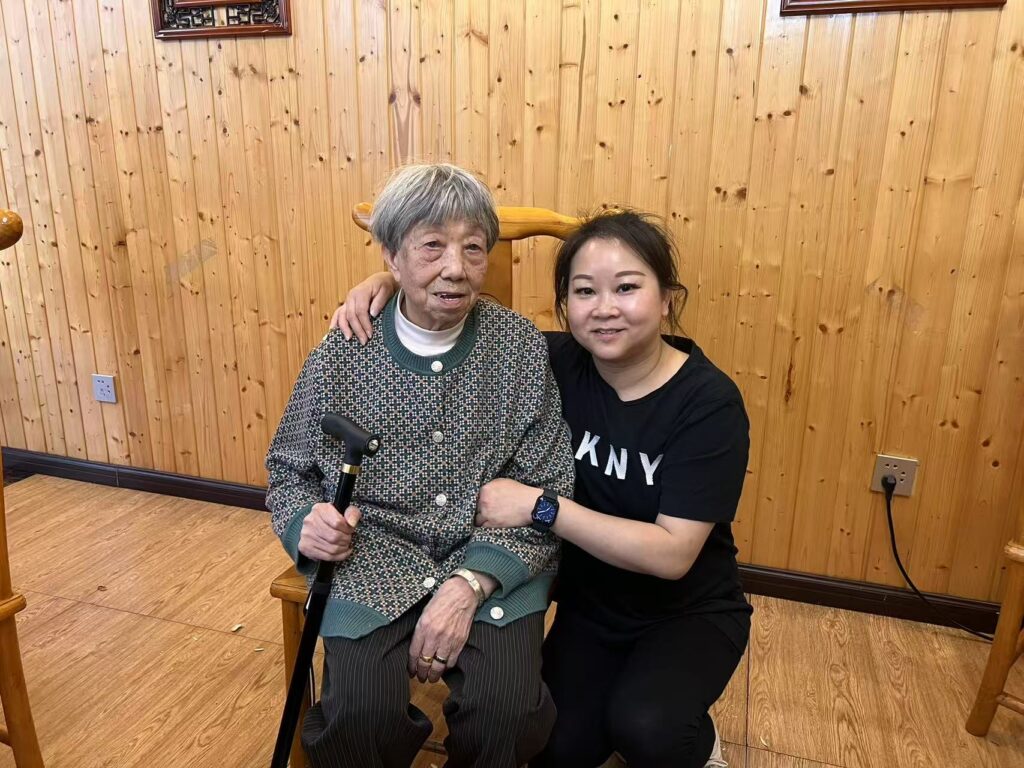
Years later, I moved to Canada to pursue further studies. The town I lived in was small and peaceful, but with hardly any authentic Chinese flavors. There were Chinese restaurants, but none that really captured the taste I grew up with. I missed my grandma’s Huaxi beef rice noodles terribly—the rich beef broth, the handmade rice noodles, the scent of slow-simmered spices.
And I wasn’t alone—my Chinese classmates felt the same way. I didn’t come from a culinary background—I was just a foodie with cravings. But I told myself: Candy, real fighters don’t complain about what’s on the menu—they learn how to cook it.
So I made a decision—to try and recreate the dish from memory, guided only by childhood impressions and a stubborn desire to get it right. It turned out to be harder than I thought, and after weeks of trial and error, I finally served a few bowls to my classmates who, to my surprise, absolutely loved it. Word spread quickly, and with their encouragement, I started sharing the noodles with local friends around town—what began as curiosity soon turned into appreciation, and before long, those early tastings became weekly requests.
That’s how it began—not with a business plan, but with a homesick heart, a childhood recipe, and the hope that food could speak where words fell short.
And maybe, that’s what my friends saw in me all along.
Dream Until It’s Reality – Alei Kitchen Is Born
Driven by that realization, I returned to Guizhou to deepen my craft — I apprenticed under Master Chef Guangqian Li, a national banquet master of Sichuan cuisine, whose precision and dedication taught me that true mastery lies in relentless refinement. At the same time, I retreated with my grandmother to our family kitchen in Guizhou—pouring over every step of the Huaxi beef noodle recipe, from sourcing the freshest beef and hand-picked spices to simmering the perfect broth. After countless trials and tweaks, we have the signature Huaxi beef rice noodles of Alei Kitchen now.
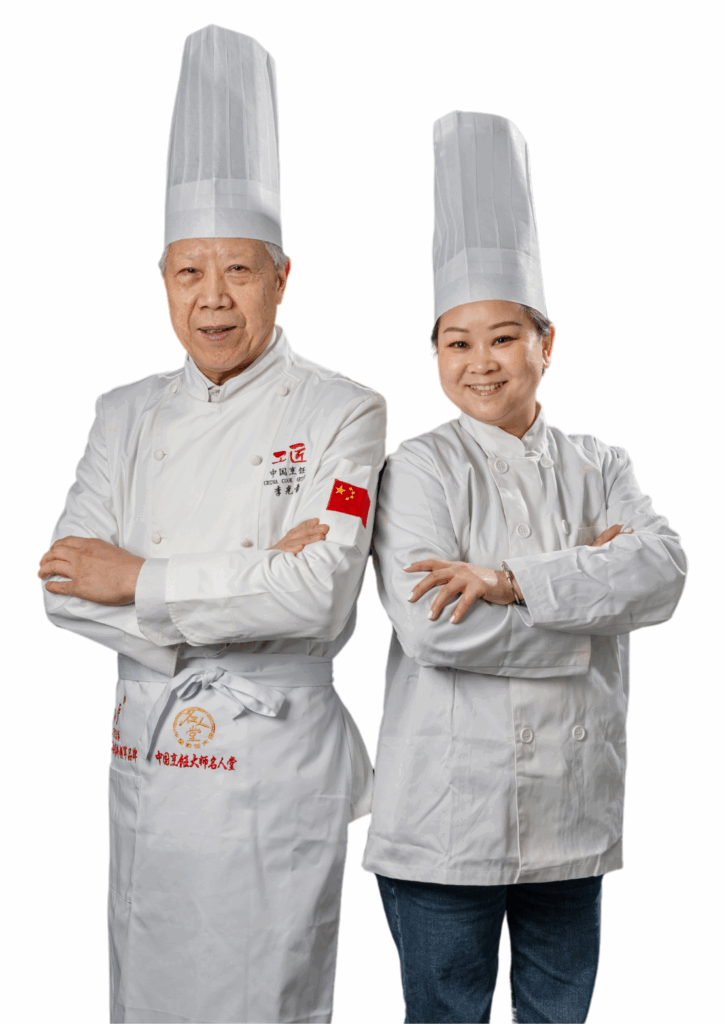
Master Chef
Guangqian Li 李光前
But at Alei Kitchen, the commitment runs deeper than our signature dish—it’s the core value of our entire team. Every member embodies the spirit of Alei and the perseverance of Miao tradition, driven by core values of sincere service, mutual respect, and a win-win mindset. We uphold rigorous management standards and a comprehensive training program, and our after-service is as prompt as it is attentive. Every guest suggestion is valued and woven into our future growth, so that together with our customers, Alei Kitchen continues to evolve—hand in hand.
Our Purpose & Impact
Today, Alei Kitchen is more than just a restaurant—it’s a cultural bridge. We serve bowls of beef rice noodles, but we also host Miao festivals celebration, and share stories that bring people closer to a heritage that’s often overlooked.
We also give back. A portion of our proceeds supports cultural preservation and educational efforts in Guizhou, helping young people stay connected to their roots.
Because at Alei Kitchen, we believe that food can do more than satisfy hunger. It can connect generations. It can keep traditions alive. And it can turn a quiet memory from the mountains of Kaili into something the whole world can taste.
Candy & Alei Kitchen Team